A Story Kept Alive by Its People
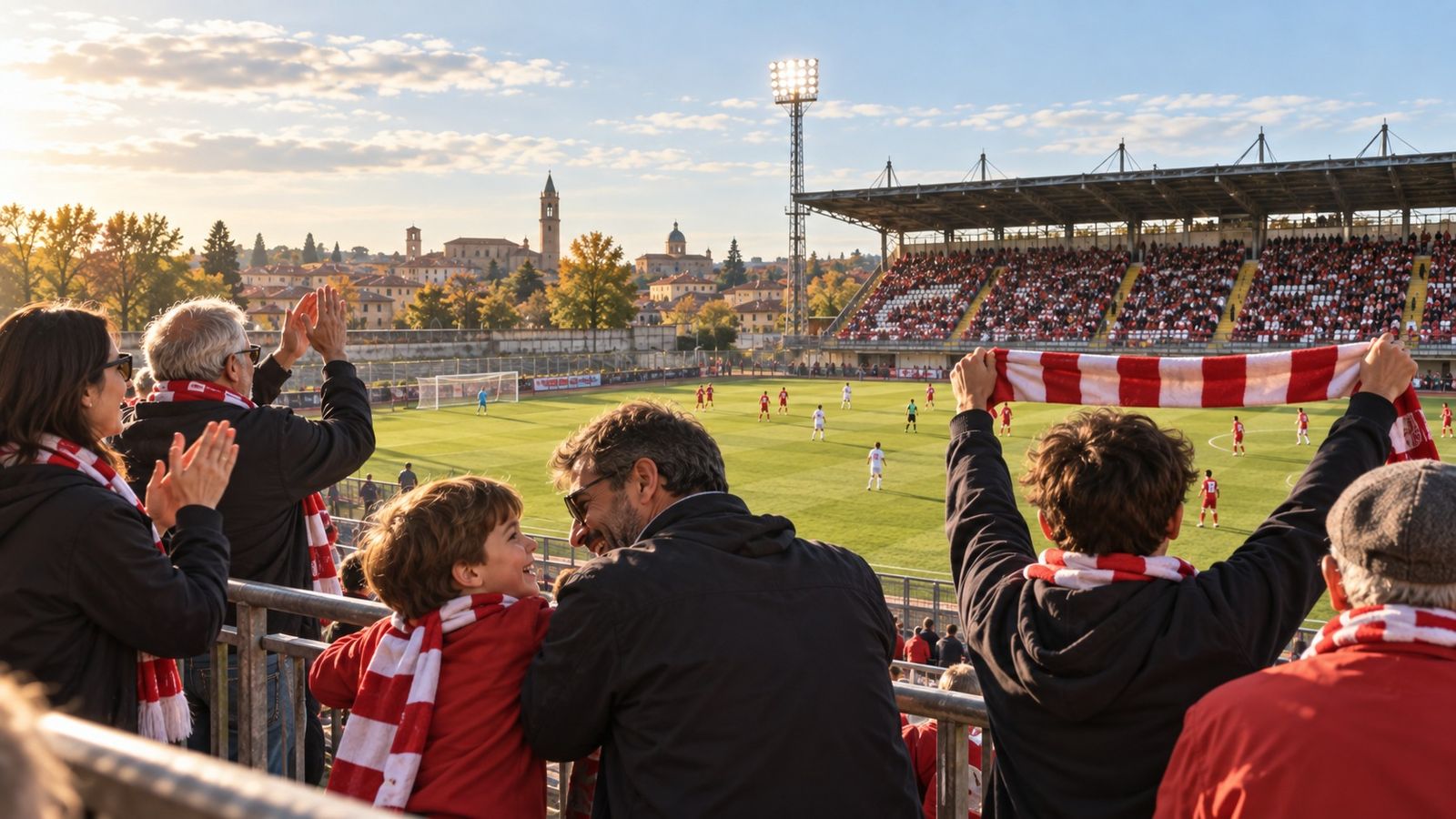
Since 1919, Piacenza Calcio has carried the colours, ambitions and memory of an entire city. Its history is written not only in promotions and great matches, but in the people who refused to let the club disappear.
More Than a Century in Red and White
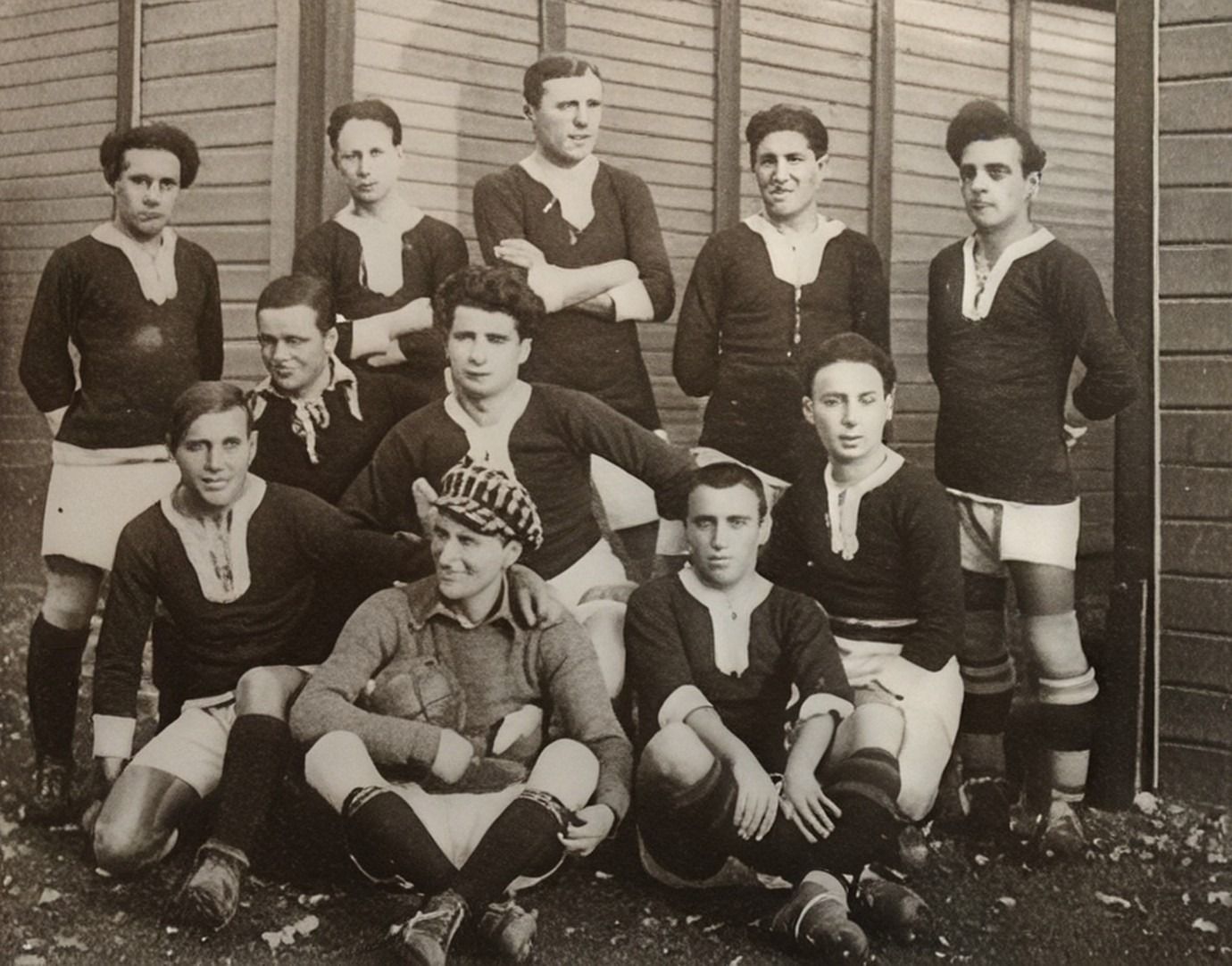
Piacenza Football Club was founded in the summer of 1919 by a group of students and workers. From its first matches, the team wore the colours of the city — white and red — and began a journey that would connect generations of players, supporters and families.
The club climbed the Italian football pyramid, reached Serie A for the first time in 1993 and went on to spend eight seasons in the top flight. Along the way, Piacenza built its identity around resilience, local pride and a bond with the city that extends far beyond the pitch. That bond mattered most in 2012. When the club went bankrupt, its supporters protected the name and identity of Piacenza Calcio and helped make a new beginning possible. The story survived because the city chose to carry it forward.
Description
Description

Key moments
A Century of Turning Points
The Beginning
Piacenza Football Club is founded by a group of students and workers and adopts the city’s red and white colours.
A First Step into Serie B
Piacenza wins its Serie C group and earns promotion to Serie B for the first time. The achievement establishes the Biancorossi as one of the leading clubs in the region.
The Garilli Era Begins
Local businessman Leonardo Garilli becomes president and begins rebuilding the club after relegation to Serie C2. His arrival marks the beginning of a new era of growth and sporting ambition.
A Historic Promotion
A victory away to Cosenza secures Piacenza’s first-ever promotion to Serie A. Thousands of supporters welcome the team home, celebrating one of the greatest achievements in the club’s history.
Hübner Makes History
Serie A, while Dario Hübner scores 24 league goals. He finishes as the championship’s joint top scorer alongside Juventus forward David Trezeguet.
The Club Is Reborn
After the original company’s bankruptcy, supporters’ association Salva Piace preserves the club’s name and crest. The reborn team wins the Eccellenza championship and becomes Piacenza Calcio 1919 in June 2013.
Explore the Story by Era
From a City Team to the National Game
Piacenza Football Club was founded in the summer of 1919 by a group of local students and workers. Eighteen-year-old Giovanni Dosi became its first president, while the team adopted the red and white colours of the city.
Success came immediately. Piacenza won the 1919/20 regional promotion championship ahead of Parma and SPAL, earning a place in the top division of Italian football at the time. During the following decades, the club established itself in the national leagues and came close to promotion to Serie B on several occasions. After football resumed following the Second World War, Piacenza competed in the mixed Serie B and Serie C championships before returning to Serie C at the end of the 1947/48 season.
A Club Rebuilding Its Ambitions
The post-war decades brought promotions, setbacks and a new identity. In 1951/52, Piacenza dominated its Serie C group but lost the promotion play-offs to Cagliari. During that season, the team became known as the “Papaveri”, a nickname inspired by the popular song Papaveri e Papere.
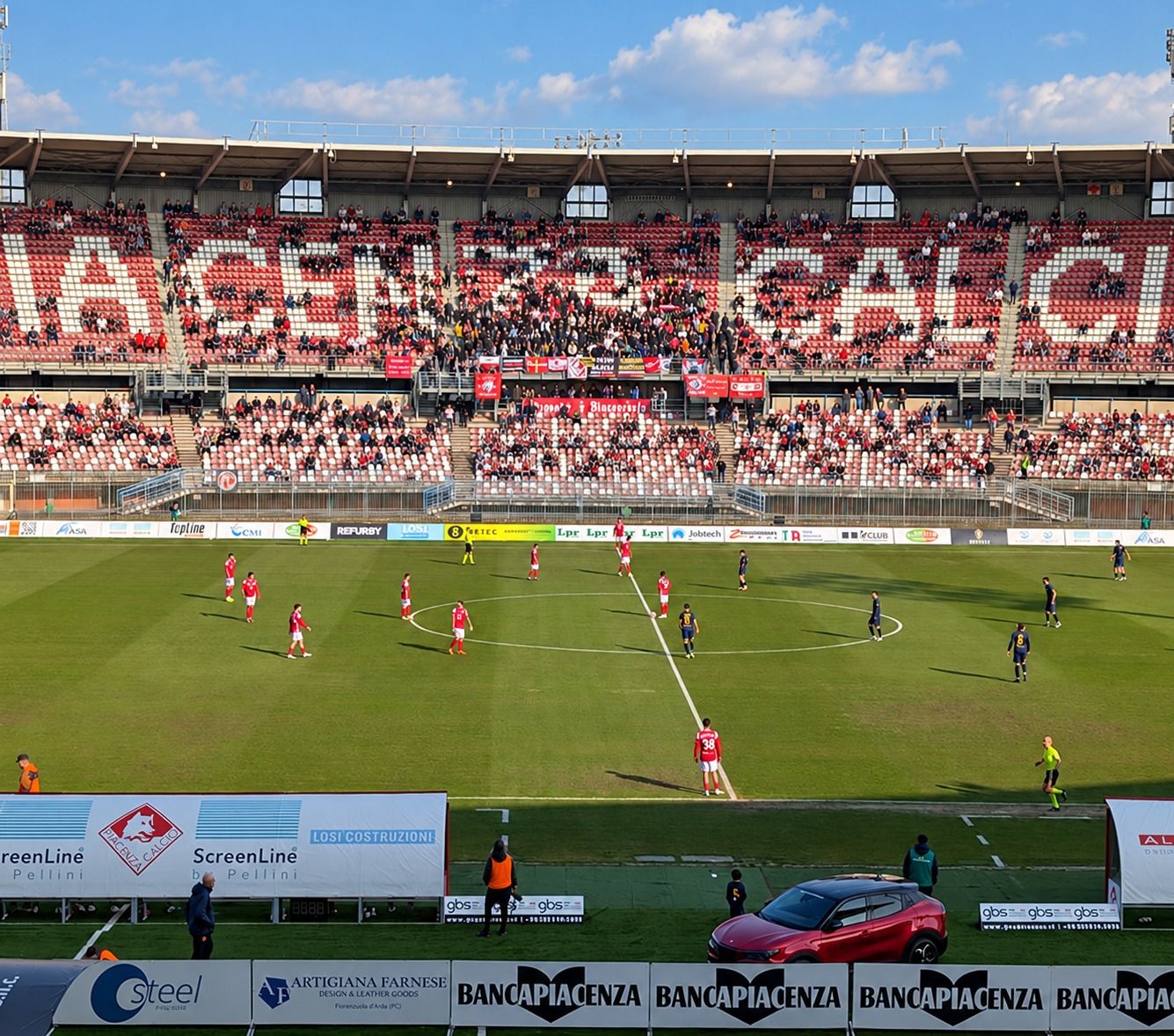
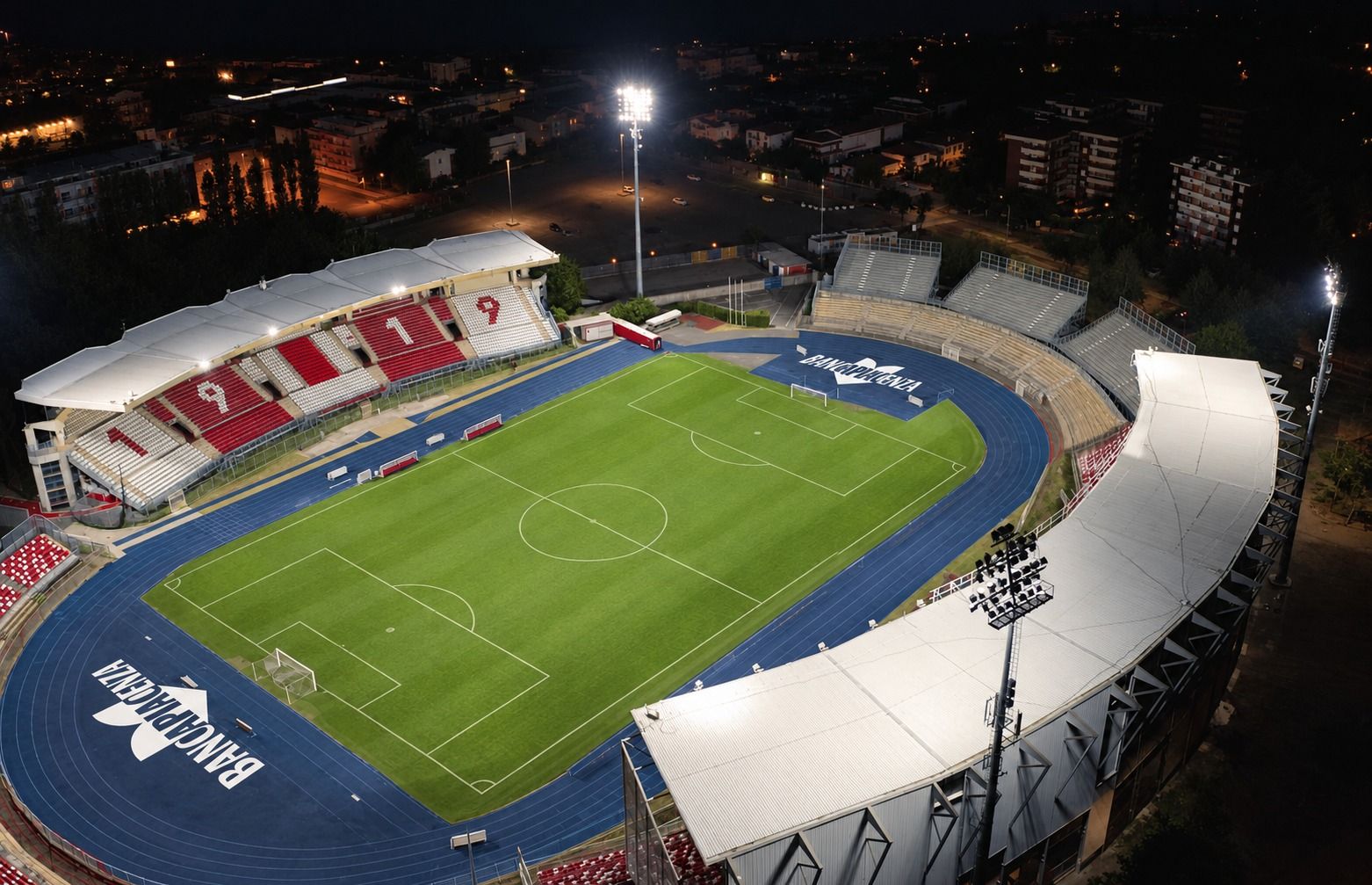
In 1957/58, the Biancorossi returned to Serie C. A few years later, the club moved from the old Barriera Genova ground to the newly completed stadium in the Galleana district, which would later bear the name of Leonardo Garilli. Piacenza reached Serie B in 1969 and again in 1975. The 1974/75 side, coached by G. B. Fabbri, was remembered for its modern, attacking football and remains one of the most admired teams in the club’s history.
From Serie C2 to a Historic Promotion
After relegation to Serie C2, the club entered a decisive new era in 1983 when local businessman Leonardo Garilli became president. His arrival marked the beginning of a long-term revival. Piacenza immediately returned to Serie C1 and won the Anglo-Italian tournament in 1985/86. Promotion to Serie B followed in 1987, and the club returned to the division once again after winning its Serie C1 group in 1990/91.
The project reached its defining moment during the 1992/93 season. On 13 June 1993, victory away to Cosenza secured Piacenza’s first-ever promotion to Serie A. Thousands of supporters welcomed the team home, celebrating one of the most important achievements in the club’s history.
Piacenza Among Italy’s Elite
Piacenza made its Serie A debut in August 1993. Although the first campaign ended in relegation, the club immediately returned by winning the 1994/95 Serie B championship. Over the following years, the Biancorossi became known as a determined provincial club capable of competing with Italy’s biggest teams. Piacenza retained an all-Italian squad until the 2000/01 season and secured several memorable Serie A campaigns. In 1997, more than 5,000 supporters travelled to Naples for the survival play-off against Cagliari.
The club returned to Serie A again in 2001. During the 2001/02 season, Dario Hübner scored 24 goals and finished as the league’s joint top scorer. After relegation in 2003, Piacenza spent eight consecutive seasons in Serie B before dropping into the third tier in 2011.
The City Refused to Let the Story End
Relegation in 2011 was followed by the most difficult period in the club’s history. Piacenza was officially declared bankrupt in March 2012, and after no buyer emerged, the original company ceased to exist that June.
The club’s name and crest were acquired at auction by the supporters’ association Salva Piace. With the backing of the city, its fans and the Gatti family, a new team continued the story under the temporary name Lupa Piacenza. The reborn side won the 2012/13 Eccellenza Emilia-Romagna championship and earned promotion to Serie D. In June 2013, following a public vote, it adopted the name Piacenza Calcio 1919, restoring the club’s historic identity.
The Return of Piacenza Calcio 1919
With its historic name restored, Piacenza began rebuilding from Serie D. After two seasons near the top of the table, the club dominated the 2015/16 championship, earning promotion to the professional leagues with a record 96 points. The Biancorossi established themselves in Serie C and came close to another promotion in 2018/19, finishing second and reaching the play-off final. Further seasons in professional football followed before relegation to Serie D in 2023.
Today, Piacenza Calcio continues its journey with the same red-and-white identity established in 1919. The club’s history is preserved by its supporters, the Museo Biancorosso and a community that has repeatedly helped the team begin again.
The Journey Through the Leagues
- Season
- 1919/20
- Competition
- Emilian Promotion Championship
- Position
- 1st in the qualifying group
- Outcome
- Promoted to the First Category
- Season
- 1920/21
- Competition
- First Category, Emilian Group A
- Position
- 3rd
- Outcome
- —
- Season
- 1921/22
- Competition
- FIGC Emilian Championship
- Position
- 1st in the Emilian group; 4th in the final group
- Outcome
- —
- Season
- 1922/23
- Competition
- Second Division, Group C
- Position
- 2nd
- Outcome
- —
- Season
- 1923/24
- Competition
- Second Division, Group D
- Position
- 6th
- Outcome
- —
- Season
- 1924/25
- Competition
- Second Division, Group E
- Position
- 2nd
- Outcome
- —
- Season
- 1925/26
- Competition
- Second Division, Group C
- Position
- 5th
- Outcome
- —
- Season
- 1926/27
- Competition
- Second Division, Northern League, Group B
- Position
- 5th
- Outcome
- —
- Season
- 1927/28
- Competition
- Second Division, Northern League, Group D
- Position
- 1st in Group D; 2nd in the final group
- Outcome
- Qualified for the First Division following the league reform
- Season
- 1928/29
- Competition
- First Division, Group B
- Position
- 5th
- Outcome
- —
- Season
- 1929/30
- Competition
- First Division, Lombardy Championship, Group B
- Position
- 7th
- Outcome
- —
- Season
- 1930/31
- Competition
- First Division, Group B
- Position
- 3rd
- Outcome
- —
- Season
- 1931/32
- Competition
- First Division, Group B
- Position
- 6th
- Outcome
- —
- Season
- 1932/33
- Competition
- First Division, Group E
- Position
- 7th
- Outcome
- —
- Season
- 1933/34
- Competition
- First Division, Group C
- Position
- 4th in Group C; 3rd in the final group
- Outcome
- —
- Season
- 1934/35
- Competition
- First Division, Group E
- Position
- 3rd
- Outcome
- —
- Season
- 1935/36
- Competition
- Serie C, Group B
- Position
- 6th
- Outcome
- —
- Season
- 1936/37
- Competition
- Serie C, Group B
- Position
- 2nd
- Outcome
- —
- Season
- 1937/38
- Competition
- Serie C, Group B
- Position
- Joint 1st
- Outcome
- Lost the promotion play-off against Fanfulla and remained in Serie C
- Season
- 1938/39
- Competition
- Serie C, Group B
- Position
- 7th
- Outcome
- —
- Season
- 1939/40
- Competition
- Serie C, Group B
- Position
- 12th
- Outcome
- —
- Season
- 1940/41
- Competition
- Serie C, Group B
- Position
- 13th
- Outcome
- —
- Season
- 1941/42
- Competition
- Serie C, Group C
- Position
- 8th
- Outcome
- —
- Season
- 1942/43
- Competition
- Serie C, Group G
- Position
- 7th
- Outcome
- —
- Season
- 1944/45
- Competition
- Six-team wartime tournament
- Position
- 4th
- Outcome
- —
- Season
- 1945/46
- Competition
- Northern Italy Championship (mixed Serie B-C), Group A
- Position
- 4th
- Outcome
- —
- Season
- 1946/47
- Competition
- Serie B, Group B
- Position
- 12th
- Outcome
- —
- Season
- 1947/48
- Competition
- Serie B, Group B
- Position
- 9th
- Outcome
- Relegated to Serie C
- Season
- 1948/49
- Competition
- Serie C, Group A
- Position
- 19th
- Outcome
- —
- Season
- 1949/50
- Competition
- Serie C, Group B
- Position
- 7th
- Outcome
- —
- Season
- 1950/51
- Competition
- Serie C, Group B
- Position
- 11th
- Outcome
- —
- Season
- 1951/52
- Competition
- Serie C, Group B
- Position
- 1st in Group B; 2nd in the final group
- Outcome
- Missed promotion to Serie B in the final group
- Season
- 1952/53
- Competition
- Serie C
- Position
- 10th
- Outcome
- —
- Season
- 1953/54
- Competition
- Serie C
- Position
- 9th
- Outcome
- —
- Season
- 1954/55
- Competition
- Serie C
- Position
- 12th
- Outcome
- —
- Season
- 1955/56
- Competition
- Serie C
- Position
- 9th
- Outcome
- Relegated to the Fourth Series
- Season
- 1956/57
- Competition
- Fourth Series, Group B
- Position
- 4th
- Outcome
- —
- Season
- 1957/58
- Competition
- Interregional Championship, Group A
- Position
- 3rd
- Outcome
- Promoted to Serie C
- Season
- 1958/59
- Competition
- Serie C, Group A
- Position
- 19th
- Outcome
- —
- Season
- 1959/60
- Competition
- Serie C, Group A
- Position
- 12th
- Outcome
- —
- Season
- 1960/61
- Competition
- Serie C, Group A
- Position
- 17th
- Outcome
- Relegated to Serie D
- Season
- 1961/62
- Competition
- Serie D, Group B
- Position
- 3rd
- Outcome
- —
- Season
- 1962/63
- Competition
- Serie D, Group B
- Position
- 2nd
- Outcome
- —
- Season
- 1963/64
- Competition
- Serie D, Group B
- Position
- 1st
- Outcome
- Champions · Promoted to Serie C
- Season
- 1964/65
- Competition
- Serie C, Group A
- Position
- 6th
- Outcome
- —
- Season
- 1965/66
- Competition
- Serie C, Group A
- Position
- 7th
- Outcome
- —
- Season
- 1966/67
- Competition
- Serie C, Group A
- Position
- 13th
- Outcome
- —
- Season
- 1967/68
- Competition
- Serie C, Group A
- Position
- 2nd
- Outcome
- —
- Season
- 1968/69
- Competition
- Serie C, Group A
- Position
- 1st
- Outcome
- Champions · Promoted to Serie B
- Season
- 1969/70
- Competition
- Serie B
- Position
- 19th
- Outcome
- Relegated to Serie C
- Season
- 1970/71
- Competition
- Serie C, Group A
- Position
- 15th
- Outcome
- —
- Season
- 1971/72
- Competition
- Serie C, Group A
- Position
- 14th
- Outcome
- —
- Season
- 1972/73
- Competition
- Serie C, Group A
- Position
- 9th
- Outcome
- —
- Season
- 1973/74
- Competition
- Serie C, Group A
- Position
- 4th
- Outcome
- —
- Season
- 1974/75
- Competition
- Serie C, Group A
- Position
- 1st
- Outcome
- Champions · Promoted to Serie B
- Season
- 1975/76
- Competition
- Serie B
- Position
- 18th
- Outcome
- Relegated to Serie C
- Season
- 1976/77
- Competition
- Serie C, Group A
- Position
- 12th
- Outcome
- —
- Season
- 1977/78
- Competition
- Serie C, Group A
- Position
- 4th
- Outcome
- —
- Season
- 1978/79
- Competition
- Serie C1, Group A
- Position
- 4th
- Outcome
- —
- Season
- 1979/80
- Competition
- Serie C1, Group A
- Position
- 9th
- Outcome
- —
- Season
- 1980/81
- Competition
- Serie C1, Group A
- Position
- 14th
- Outcome
- —
- Season
- 1981/82
- Competition
- Serie C1, Group A
- Position
- 12th
- Outcome
- —
- Season
- 1982/83
- Competition
- Serie C1, Group A
- Position
- 15th
- Outcome
- Relegated to Serie C2
- Season
- 1983/84
- Competition
- Serie C2, Group B
- Position
- 2nd
- Outcome
- Promoted to Serie C1
- Season
- 1984/85
- Competition
- Serie C1, Group A
- Position
- 3rd
- Outcome
- —
- Season
- 1985/86
- Competition
- Serie C1, Group A
- Position
- 3rd
- Outcome
- Won the Anglo-Italian Cup for Serie C clubs
- Season
- 1986/87
- Competition
- Serie C1, Group A
- Position
- 1st
- Outcome
- Champions · Promoted to Serie B
- Season
- 1987/88
- Competition
- Serie B
- Position
- 13th
- Outcome
- —
- Season
- 1988/89
- Competition
- Serie B
- Position
- 20th
- Outcome
- Relegated to Serie C1
- Season
- 1989/90
- Competition
- Serie C1, Group A
- Position
- 8th
- Outcome
- —
- Season
- 1990/91
- Competition
- Serie C1, Group A
- Position
- 1st
- Outcome
- Champions · Promoted to Serie B
- Season
- 1991/92
- Competition
- Serie B
- Position
- 11th
- Outcome
- —
- Season
- 1992/93
- Competition
- Serie B
- Position
- 3rd
- Outcome
- First promotion to Serie A
- Season
- 1993/94
- Competition
- Serie A
- Position
- 15th
- Outcome
- Relegated to Serie B
- Season
- 1994/95
- Competition
- Serie B
- Position
- 1st
- Outcome
- Champions · Promoted to Serie A
- Season
- 1995/96
- Competition
- Serie A
- Position
- 14th
- Outcome
- —
- Season
- 1996/97
- Competition
- Serie A
- Position
- 14th
- Outcome
- Retained Serie A status after winning the survival play-off against Cagliari
- Season
- 1997/98
- Competition
- Serie A
- Position
- 12th
- Outcome
- —
- Season
- 1998/99
- Competition
- Serie A
- Position
- 13th
- Outcome
- —
- Season
- 1999/00
- Competition
- Serie A
- Position
- 18th
- Outcome
- Relegated to Serie B
- Season
- 2000/01
- Competition
- Serie B
- Position
- 2nd
- Outcome
- Promoted to Serie A
- Season
- 2001/02
- Competition
- Serie A
- Position
- 12th
- Outcome
- Dario Hübner finished as the league’s joint top scorer with 24 goals
- Season
- 2002/03
- Competition
- Serie A
- Position
- 16th
- Outcome
- Relegated to Serie B
- Season
- 2003/04
- Competition
- Serie B
- Position
- 8th
- Outcome
- —
- Season
- 2004/05
- Competition
- Serie B
- Position
- 10th
- Outcome
- —
- Season
- 2005/06
- Competition
- Serie B
- Position
- 11th
- Outcome
- —
- Season
- 2006/07
- Competition
- Serie B
- Position
- 4th
- Outcome
- —
- Season
- 2007/08
- Competition
- Serie B
- Position
- 15th
- Outcome
- —
- Season
- 2008/09
- Competition
- Serie B
- Position
- 10th
- Outcome
- —
- Season
- 2009/10
- Competition
- Serie B
- Position
- 15th
- Outcome
- —
- Season
- 2010/11
- Competition
- Serie B
- Position
- 19th
- Outcome
- Relegated to Lega Pro First Division after losing the play-outs
- Season
- 2011/12
- Competition
- Lega Pro First Division, Group A
- Position
- 17th
- Outcome
- Relegated to Lega Pro Second Division after losing the play-outs
- Season
- 2012/13
- Competition
- Eccellenza Emilia-Romagna, Group A
- Position
- 1st
- Outcome
- Reborn as Lupa Piacenza after the 2012 bankruptcy · Promoted to Serie D
- Season
- 2013/14
- Competition
- Serie D, Group B
- Position
- 3rd
- Outcome
- Renamed Piacenza Calcio 1919
- Season
- 2014/15
- Competition
- Serie D, Group D
- Position
- 4th
- Outcome
- —
- Season
- 2015/16
- Competition
- Serie D, Group B
- Position
- 1st
- Outcome
- Champions with a record 96 points · Promoted to Lega Pro
- Season
- 2016/17
- Competition
- Lega Pro, Group A
- Position
- 6th
- Outcome
- Promotion play-offs, round of 16
- Season
- 2017/18
- Competition
- Serie C, Group A
- Position
- 8th
- Outcome
- Promotion play-offs, round of 16
- Season
- 2018/19
- Competition
- Serie C, Group A
- Position
- 2nd
- Outcome
- Qualified for the promotion play-offs and reached the final
- Season
- 2019/20
- Competition
- Serie C, Group B
- Position
- 7th
- Outcome
- —
- Season
- 2020/21
- Competition
- Serie C, Group A
- Position
- 12th
- Outcome
- —
- Season
- 2021/22
- Competition
- Serie C, Group A
- Position
- 9th
- Outcome
- Promotion play-offs, first round
- Season
- 2022/23
- Competition
- Serie C, Group A
- Position
- 20th
- Outcome
- Relegated to Serie D
- Season
- 2023/24
- Competition
- Serie D, Group B
- Position
- 2nd
- Outcome
- —
- Season
- 2024/25
- Competition
- Serie D, Group D
- Position
- 8th
- Outcome
- —
- Season
- 2025/26
- Competition
- Serie D, Group D
- Position
- 4th
- Outcome
- Won the play-off final 2-0 against Lentigione
Honours
Serie B
1Title
Season:1994/95
Serie C
4Titles
Seasons:1968/69 1974/75 1986/87 1990/91
Anglo-Italian Cup
1Trophy
Season:1985/86
A Home for Red and White Memories
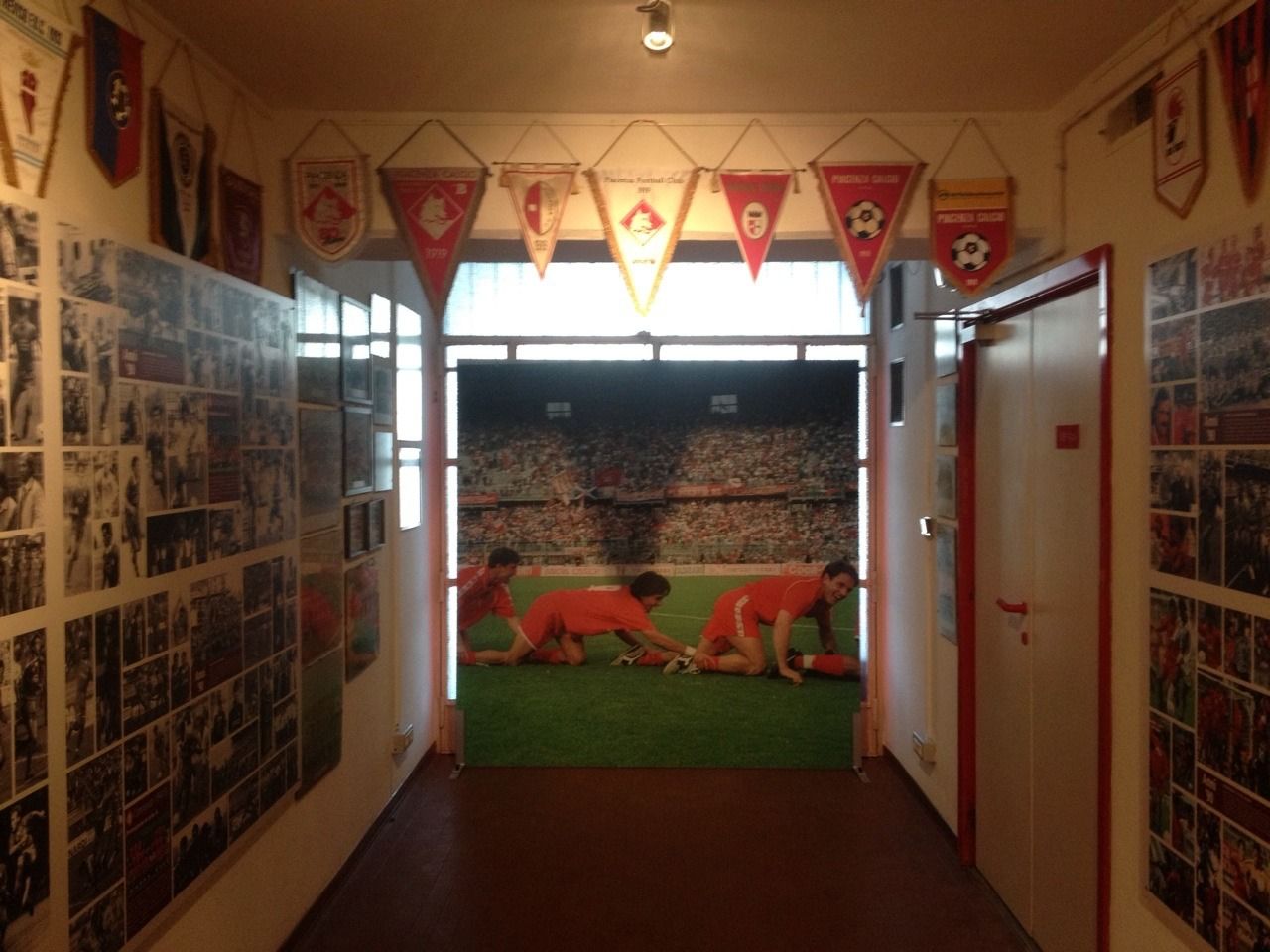
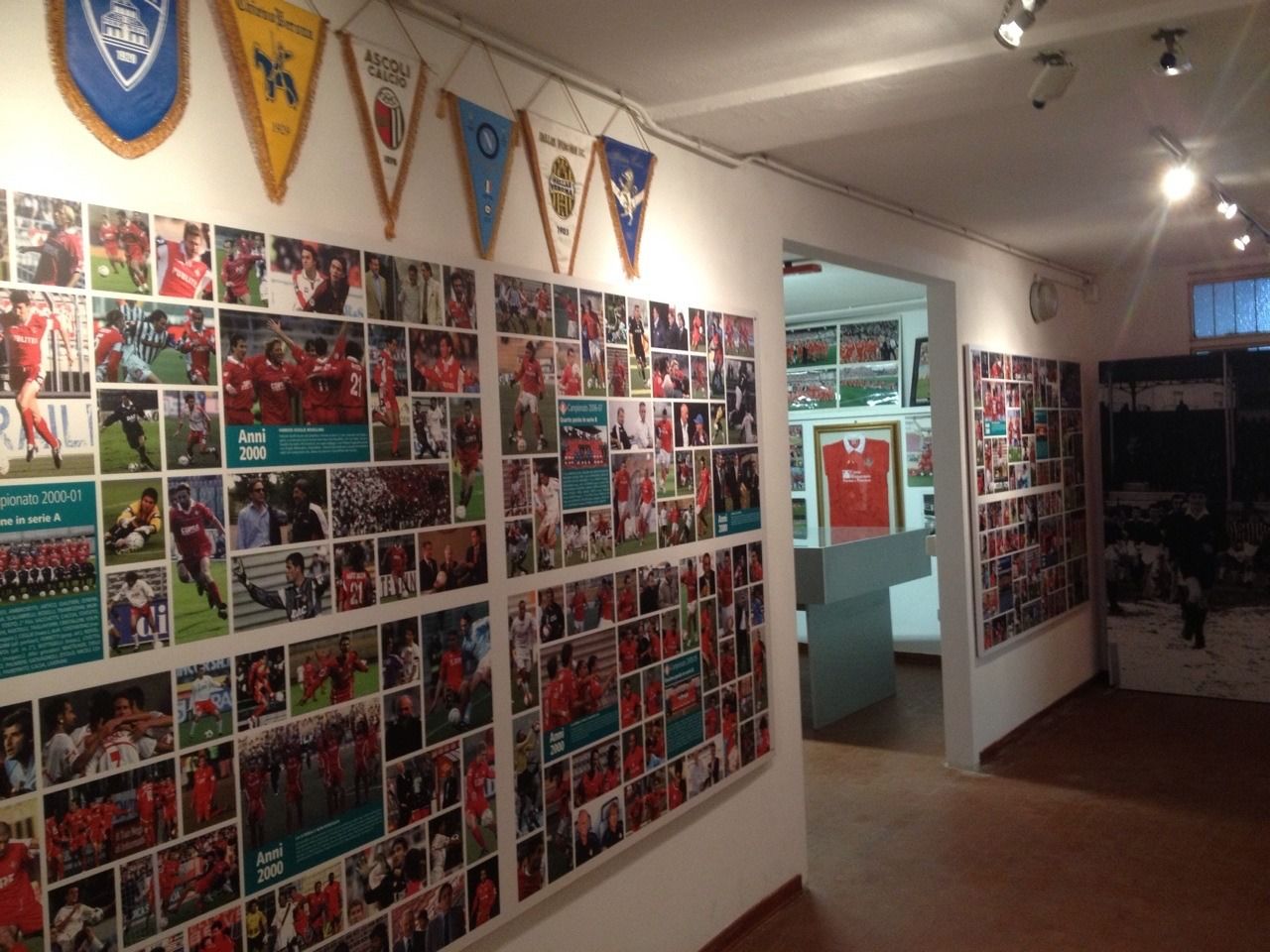
Located inside Stadio Leonardo Garilli, the Museo Biancorosso preserves shirts, photographs, documents and objects connected with more than a century of Piacenza Calcio. Created by the Salva Piace supporters’ association, it allows new generations to discover the people, matches and emotions that shaped the club.
Official Anthem
I tell you in Piacentine
I remember it as if it were yesterday, leaving for duty, the soldier's duty. I left my beautiful Piacenza, and when I think of it, I'm lost for words; but I am a true Piacentine, and when I walk with a girl, I whisper softly, softly: I love you! I tell you in Piacentine that I've always loved you, from the day I met you I fell in love; and I hope, just as I do, that you'll see a day will come when you, like me, will be the only girl, I tell you in Piacentine. There will be quite a few young lads, all wanting to be called Lilli, Popi Totò; but their baptismal name is another, it's Nicola, Tummäs or something else; but I am a true Piacentine, and when I walk with a girl, I whisper softly, softly: I love you! I tell you in Piacentine that I've always loved you, from the day I met you I fell in love; and I hope, just as I do, that you'll see a day will come when you, like me, will be the only girl, I tell you in Piacentine: I love you!
I'll tell you in Piacenza
I remember it as if it were yesterday, I left for duty, the soldier's duty. I left my beautiful Piacenza, when I think of it I am lost for words; but I am a true Piacentino, when I am with a girl I whisper softly: I love you! I say it to you in Piacentino that I have always loved you, since the moment I met you I fell in love; and hope as much as I do: you will see that a day will come when you will be the only woman for me, I say it to you in Piacentino. There will be quite a few young lads, all of them wanting to be called “Lilli”, “Popi” or “Totò”; but their baptismal name is something else, it's Nicola, Tommaso or some other; but I am a true Piacentino, when I am with a girl I whisper softly: I love you! I say it to you in Piacentino that I have always loved you, since the moment I met you I fell in love; and hope as much as I do: you will see that a day will come when you will be the only woman for me, I say it to you in Piacentino: I love you!
Today
The Story Continues
Today, Piacenza Calcio carries forward a story that began in 1919 and was protected by its community when the club needed it most.
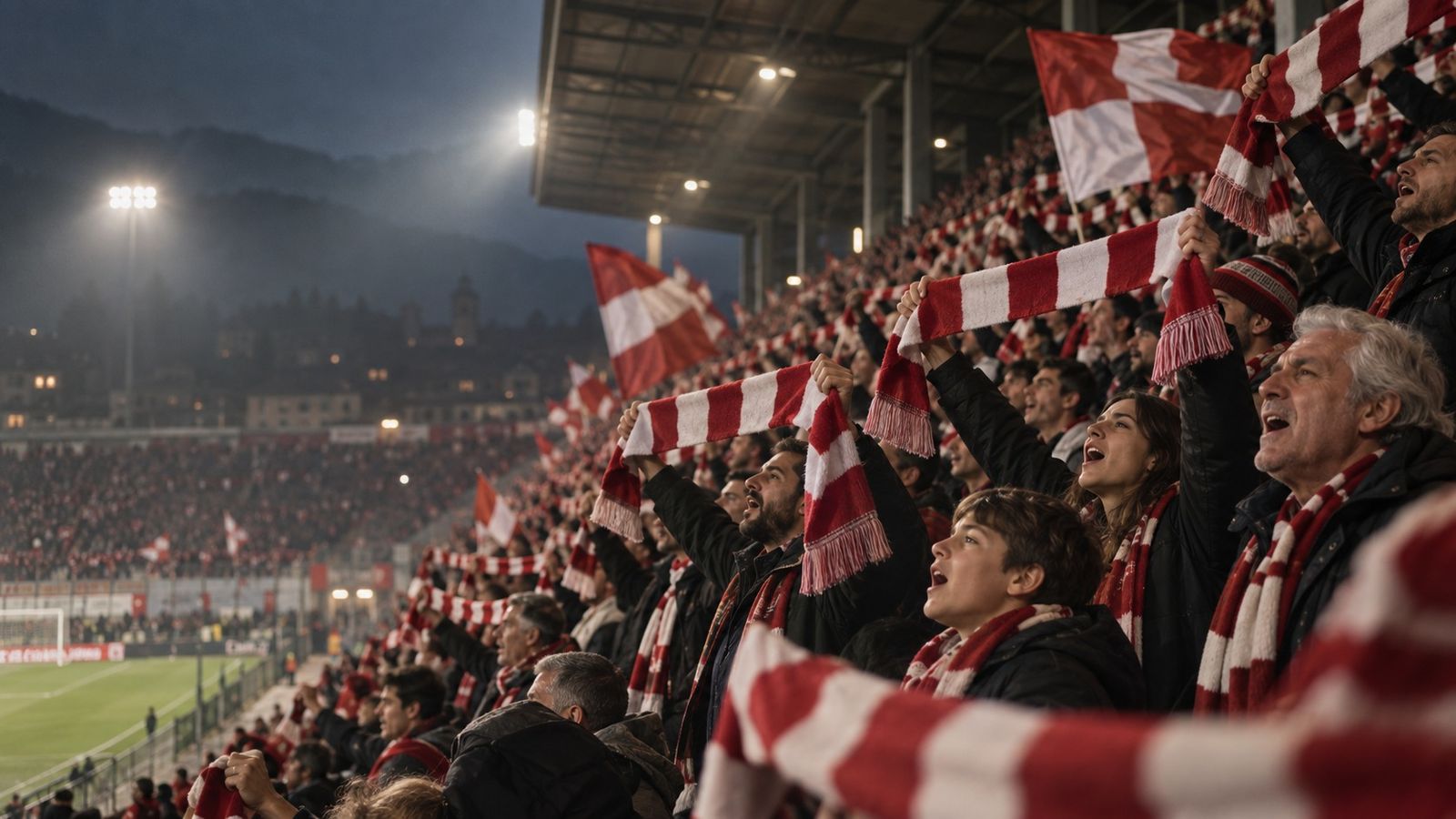
The club’s history is not treated as something confined to an archive. It lives in every match at the Leonardo Garilli Stadium, in the red and white colours, in the memories shared across generations and in the supporters who continue to stand beside the team through every new challenge. Looking ahead, Piacenza Calcio is working to build a stable and ambitious future for both the first team and the youth sector. The goal is to grow without losing the character that has always defined the club: a deep connection with its city, respect for its heritage and the belief that every new chapter should be written together with its people.